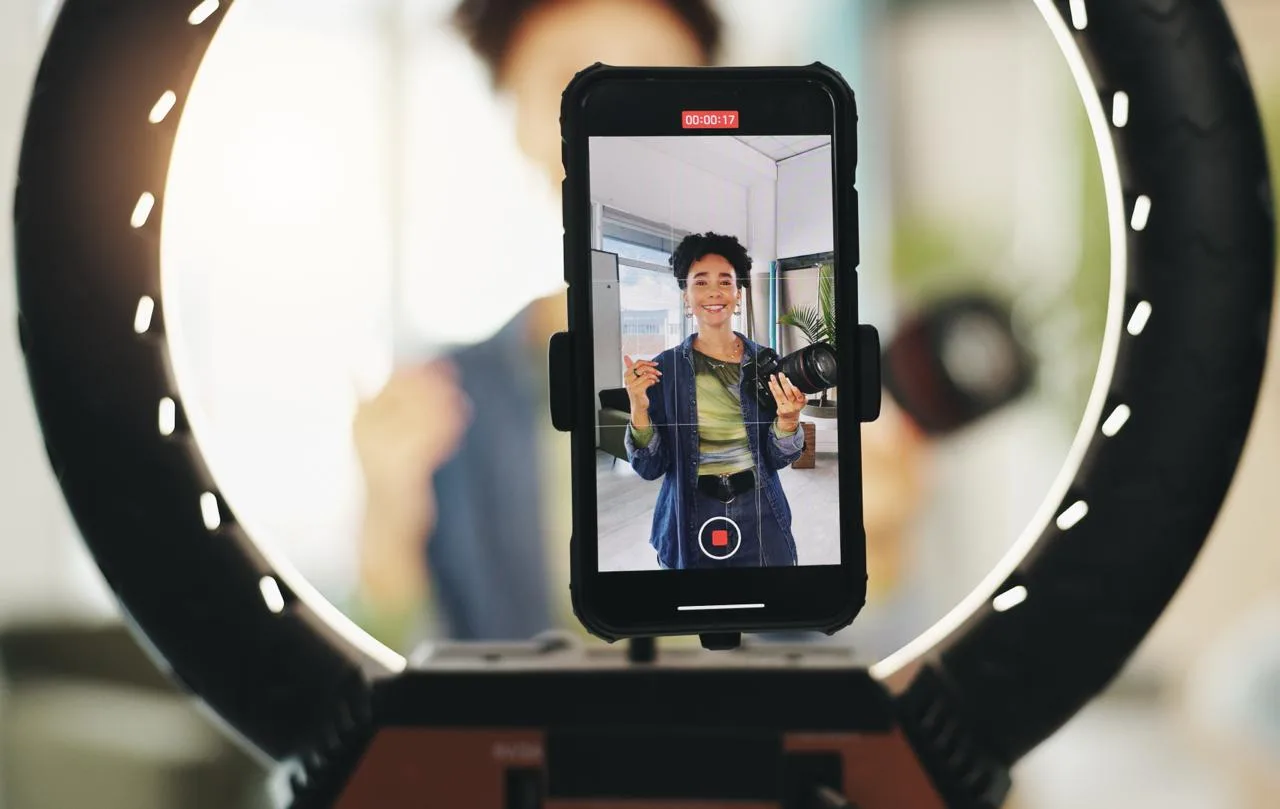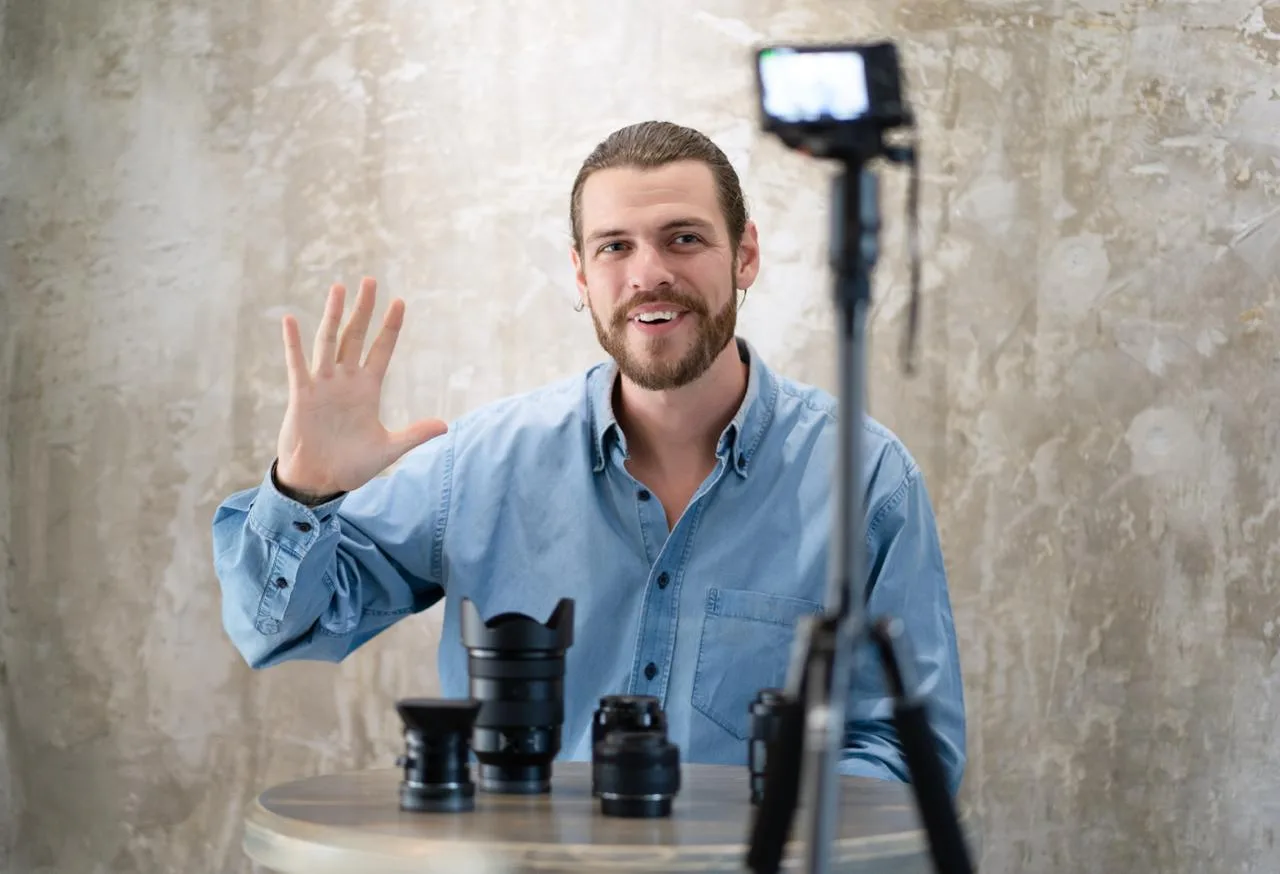



Camera or phone: what to choose for shooting video?
26.11.2025
Traditionally, it is believed that video cameras offer better image quality, a wider range of advanced features, and higher detail. However, smartphones appeal to creative individuals with their ease of use and portability, as a pocket device is always at hand. This allows you to shoot video spontaneously at any time and in any situation.
In this article, we compare smartphone cameras and cameras and tell you which device is more convenient and appropriate to use to get the highest quality video content.
Why is choosing the right device for video important?
Choosing the right device is crucial for video shooting. It is what ensures attractive video with clear, colorful images for the viewer. This is especially important when creating a high-quality turnkey video.
If exemplary quality, as opposed to mobility and comfort, is not a top priority for video content, it is better to use a mobile phone.
Today, leading phone manufacturers provide decent night shooting and focus on high-quality autofocus. Smartphones with flash allow you to shoot videos with clear, well-lit images, regardless of weather conditions and the surrounding environment. Flagship models are quite effective in low light and are capable of creating a blurred background effect, focusing attention on the main subject of the shot.
The capabilities of DSLR cameras and phones are converging, but it is clear that we are not talking about budget smartphones that cannot compete with expensive optics. With a modern gadget, you can shoot high-quality videos and make great videos for social media, run video blogs, and stream on YouTube. If perfect image quality and creative control are very important for your video (or if the material is being recorded in difficult conditions), then you should work with a video camera.
Which camera is suitable for shooting video? Of course, professional videography requires flawless images and creative editing capabilities, so you can’t do without good equipment with a telephoto lens. The mechanism allows you to use interchangeable lenses suitable for specific tasks (full macro mode, working in extreme lighting conditions, astronomical observations, and much more).

Video image quality
A high-quality video requires sufficient lighting and stability, as well as the correct video settings.
To get a good image quality, it is recommended to avoid excessive ISO amplification, set the exposure correctly, and not work with low-quality equipment.
The key parameter that determines video quality is the device’s sensor. Ideally, it is better to buy a video camera with a full-frame sensor (36 mm × 24 mm), which has a larger surface area. This allows it to capture more light and accommodate more pixels.
Stabilization should also be taken into account: when shooting “handheld,” it is advisable to use a tripod to avoid shaking, which will not elicit a positive response from the potential audience. Professional cameras have built-in stabilizers that “cancel out” the annoying effect of shaking. You can also get rid of it using software methods when processing content.
Sound for video: features
Usually, video material consists of two parts: the visual component (the video itself) and the audio (sound). Special attention should be paid to sound when producing video content. This is especially true for product reviews, YouTube videos, and live streams.
Many novice authors tend to underestimate the importance of the audio track, ignoring it in favor of the visual component. But practice shows that even with a certain blurriness or pixelation of the image, it is the quality of the audio track that ensures the success of the project.
What is the best way to shoot video to get a clean audio track?
For flawless audio, use a camera with a good microphone that does not distort the sound. Specialized equipment also has a wider range of audio settings. This allows you to adapt the recording to specific environmental conditions.
However, material shot on a phone can also provide good sound quality. To achieve this, you can use the noise cancellation feature that many advanced models are equipped with.
You can also resort to software processing of the material—this will help improve the overall video quality and enhance the audio track by neutralizing distracting noises.
Among the variety of such programs, we can mention:
- Adobe Premiere Pro;
- Filmora;
- Final Cut Pro;
- DaVinci Resolve;
- iMovie (для користувачів Apple);
- Lightworks.

Convenience of video recording and mobility
Camcorder or smartphone – what do experienced operators recommend when it comes to a comfortable shooting process?
Shooting with a smartphone camera allows you to quickly shoot video and post the material on the Internet. Of course, there are mirrorless models that allow you to quickly transfer video to your smartphone. However, the process is still more complicated than shooting directly with a phone. After all, you need to turn on Wi-Fi, establish a connection, and wait for the footage to upload completely. Shooting on a phone does not require these steps to post content on social media, saving time and effort.
In terms of convenience, smartphones are the clear leaders, as they easily fit in a pocket or bag of any size.
A compact phone is always at hand, requiring no additional and sometimes cumbersome equipment for the shooting process.
Experienced photographers and videographers believe that beginners shooting their first videos find it more convenient to use a smartphone. The device has automatic settings, so there is no need to configure anything manually. And if your hobby grows into something bigger, then you can switch to “serious” video equipment.
Conclusion: How to choose a device for video recording
There is no single answer to the question of whether a camera or a phone is best for shooting video, as the choice depends on the goals and priorities of each author.
Shooting on a smartphone is a good solution for spontaneous video reports and quick publication of material on social networks. The advantages of phones in terms of lightness, portability, and convenience are undeniable. In addition, the functionality of modern phones meets the needs of most users who are involved in amateur photography and videography.
Working with professional equipment is more in demand among specialists who need special modes for creative work and unmatched quality of the final video product.
As progress does not stand still, new smartphone models are equipped with increasingly modern features. Currently, the advanced developments of leading brands are already approaching the capabilities of SLR cameras.
Finally, we cannot ignore the cost, as smartphones are relatively inexpensive and more affordable than professional filming equipment.

 24.02.2026
  5 min
5 min